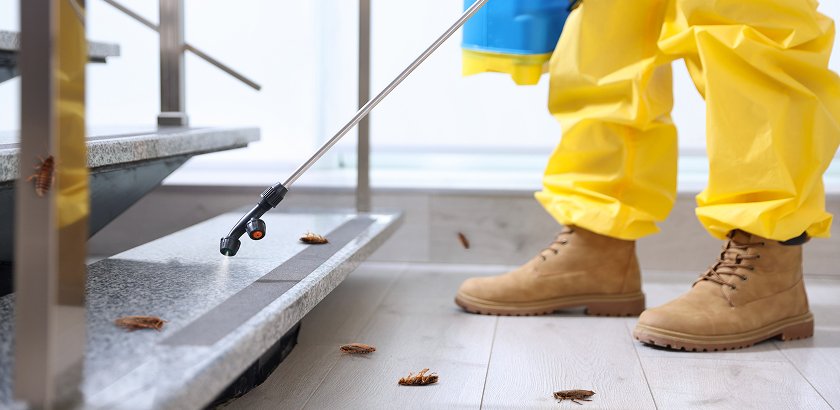
Beyond Termites: Why Mosquito Control, Fogging, and Animal Removal Deserve a Place in Every Saudi Property’s Pest Plan
When people think about pest control in Saudi Arabia, termites and cockroaches usually come to mind first. Both are serious problems, and rightly get a lot of attention. But there is a second layer of pest pressure that many homeowners and business operators overlook entirely mosquitoes, biting insects that respond only to proper fogging and fumigation, and the occasional stray animal that wanders into a property looking for shelter or food. Left unaddressed, these issues create health risks, property damage, and reputational problems that are just as costly as a termite infestation, if not more so in the short term.
This guide looks at what these lesser-discussed pest categories actually involve, why they matter across the Kingdom’s climate and geography, and how a coordinated pest control plan rather than a one-off callout is what actually keeps a property protected.
Mosquitoes Are a Bigger Problem in Saudi Arabia Than Most People Realize
Saudi Arabia’s climate creates ideal breeding conditions for mosquitoes in specific pockets: irrigation systems, standing water near construction sites, decorative garden ponds, and the humid coastal air along the Eastern Province. Cities like Dammam and Al Khobar, sitting close to the Gulf, see particularly persistent mosquito activity during the warmer months, while inland cities like Riyadh experience spikes tied to irrigation and seasonal rainfall.
Mosquitoes are not just an outdoor nuisance. They are a genuine public health concern, capable of transmitting diseases that put families, employees, and customers at risk. For businesses restaurants, compounds, schools, and hospitality venues in particular a visible mosquito problem can also directly affect customer experience and reputation, something that spreads quickly through reviews and word of mouth.
Effective mosquito control isn’t about spraying once and hoping for the best. It requires identifying breeding sites, treating standing water sources, and applying residual treatments in resting areas where adult mosquitoes congregate during the day, such as dense vegetation, shaded walls, and drainage points.
What Fogging and Fumigation Actually Do Differently
Fogging and fumigation often get used interchangeably, but they serve different purposes, and understanding the difference matters when deciding what a property actually needs.
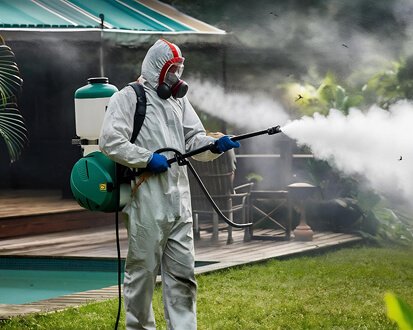
Fogging disperses a fine mist of insecticide into the air, which is particularly effective against flying insects like mosquitoes and flies. It works well outdoors, in gardens, near entry points, and around common areas in compounds or commercial premises, where insects gather in open air rather than confined spaces.
Fumigation, on the other hand, is a more intensive process used to treat enclosed spaces warehouses, food storage areas, shipping containers, or heavily infested rooms by saturating the entire space with a fumigant gas that penetrates cracks, crevices, and stored materials that surface sprays simply cannot reach. It is typically reserved for stubborn or widespread infestations, particularly with pests like stored-product insects or severe cockroach and bed bug problems.
Knowing which treatment applies to which situation is exactly why DIY approaches tend to fall short. A homeowner spraying an aerosol at visible mosquitoes is treating a symptom, not the source. A licensed pest control team assesses the property first, identifies whether the issue calls for fogging, fumigation, or a combination of both, and applies the correct concentration and method for the space.
Termites, Cockroaches, Ants, and Bed Bugs Still Demand Ongoing Attention
While mosquitoes and fumigation needs are often underestimated, the more familiar pests haven’t gone anywhere, and any complete pest strategy still has to account for them.
Anti termite treatment remains one of the most important investments a property owner in Saudi Arabia can make, given how much structural damage termites can cause before they’re even noticed. Termite control services typically involve either a chemical soil barrier or bait station system, depending on the construction type and the extent of any existing activity, and this is not something to delay once early signs hollow-sounding wood, mud tubes, or discarded wings appear.
Cockroach control calls for a different approach entirely, usually combining gel baiting, targeted spraying, and sealing entry points, since cockroaches reproduce quickly and hide in places that are easy to miss during a casual inspection. Ants control follows a similar logic: treating visible trails alone rarely solves the problem, because the colony and its queen are usually well hidden and need to be addressed directly for the treatment to hold.
Bed bugs control services in Saudi Arabia have become increasingly requested in recent years, particularly in residential buildings, hotels, and labor accommodations where turnover is high. Bed bugs are notoriously resilient and spread easily between units, which makes professional treatment rather than store-bought sprays — the only reliable option once an infestation is confirmed.
Stray Animals: An Overlooked Category of Pest Management
Dogs, cats, and birds don’t always come to mind under “pest control,” but property owners across Saudi Arabia deal with this category more often than they expect. Stray cats and dogs frequently seek shelter in compounds, warehouses, and construction sites, particularly where food waste is accessible. Birds, meanwhile, tend to nest in ventilation systems, rooftops, and building ledges, creating both a mess and a genuine health hazard through droppings and nesting material.
Humane extermination and removal services handle these situations safely and in line with proper animal welfare and safety standards, without homeowners or facility managers having to intervene directly. This is particularly relevant for commercial properties, warehouses, and food-handling businesses, where regulatory compliance around pest and animal control is not optional.
Why Residential and Commercial Properties Need Different Strategies
A home in Dammam and a commercial kitchen in the same city are not exposed to the same risks, and shouldn’t be treated with the same pest control plan. Residential pest control tends to focus on prevention around entry points, moisture control, and seasonal treatments timed to mosquito and termite activity. Commercial and industrial properties, by contrast, often need documented, recurring treatment schedules to satisfy health inspections, insurance requirements, or hospitality certifications and fumigation is far more likely to come into play given the scale of storage areas and equipment involved.
This is also where prevention services matter most. A property that receives regular inspections and preventive treatment rarely needs emergency fumigation, whereas properties that wait until an infestation is visible typically face more invasive, costlier interventions.
Building a Pest Control Plan That Actually Covers Everything
A property is only as protected as its weakest gap. Termite treatment without mosquito control still leaves a home exposed during peak season. Cockroach treatment without addressing ants or bed bugs solves one visible problem while leaving others to grow unnoticed. And overlooking stray animal activity around a commercial site can undo the value of an otherwise solid pest management program.
The properties that stay pest-free year-round tend to be the ones working with a single provider capable of handling the full range home pest control, cockroach control, mosquito control services, bed bugs control, ants control, termite control services, fogging, fumigation, and animal extermination rather than patching together separate one-off treatments as problems arise.
Whether the concern is a mosquito problem ahead of summer, a suspected termite colony, or birds nesting where they shouldn’t be, the right first step is the same: a proper inspection to understand exactly what’s happening on the property, followed by a treatment plan built around it rather than a generic spray-and-hope approach.
 Comprehensive Pest Control Services in Jeddah: Prevention and Removal for Every Common Household Pest
 What Are the 4 Methods of Pest Control?
 Beyond Termites: Why Mosquito Control, Fogging, and Animal Removal Deserve a Place in Every Saudi Property’s Pest Plan
 What Does Pest Control Mean? A Complete Guide for Homes and Businesses in Jeddah
 Termites, Rodents, Cockroaches & Bed Bugs: The Complete Pest Control Guide for Riyadh, Dammam & Saudi Arabia
 The Complete Guide to Anti Termite Treatment and Pest Control Services in Saudi Arabia
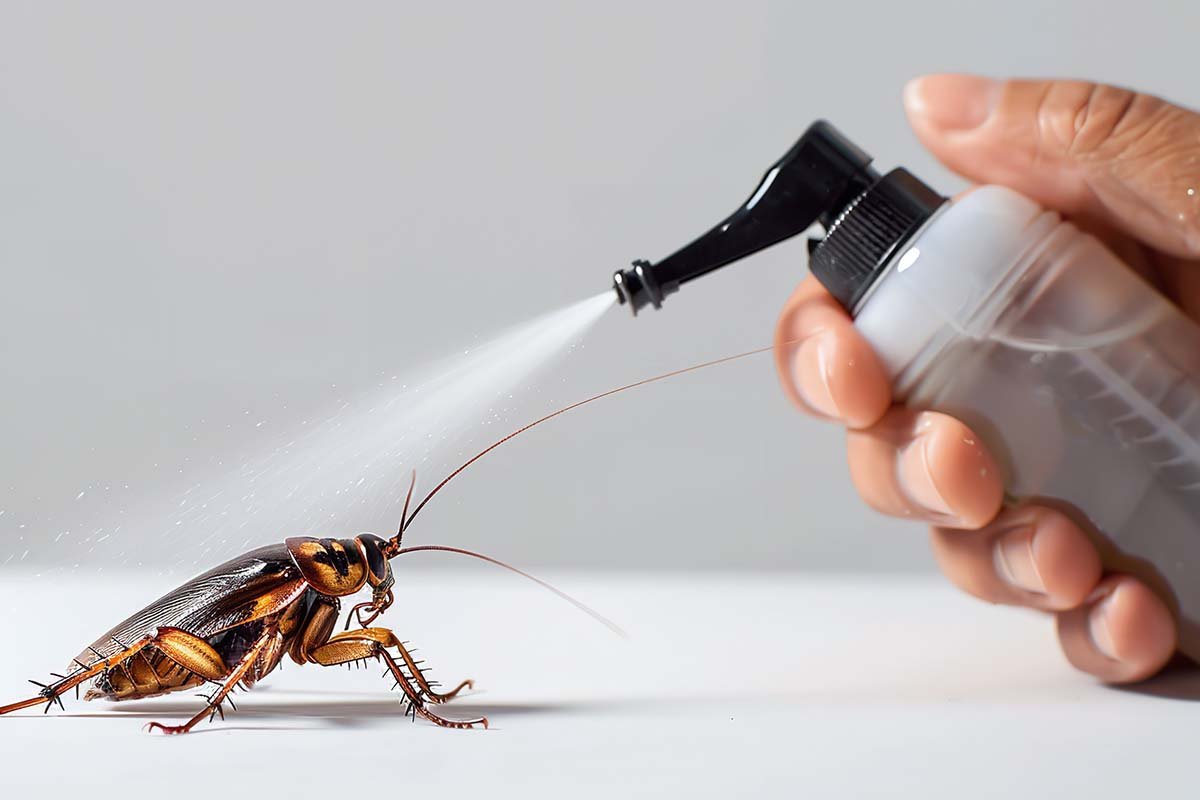 Cockroach Problem in Riyadh Apartments: Effective Home Pest Control Solutions
 How Do I Know a Pest Control Company Is Legit?
 What Are the Signs I Need an Exterminator?
 Certified Pest Control in Dammam by Al Bustan Pest Control Company
 Can Pest Control Get Rid of Rodents?
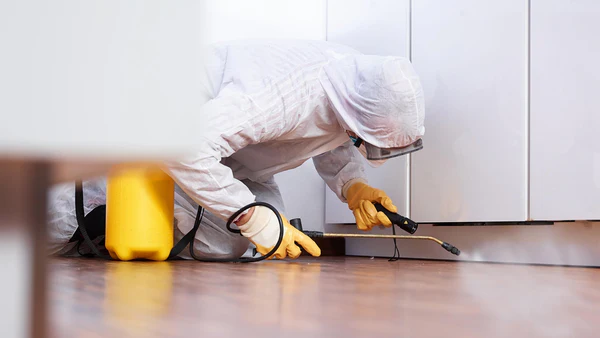 Pest Control Services Explained | Al Bustan Pest Control Services
 Top-Rated Pest Control Products Recommended for Saudi Homes
 What Is Pest Control and What Are the Stages?
 Al Bustan Pest Control: Integrated Pest Management
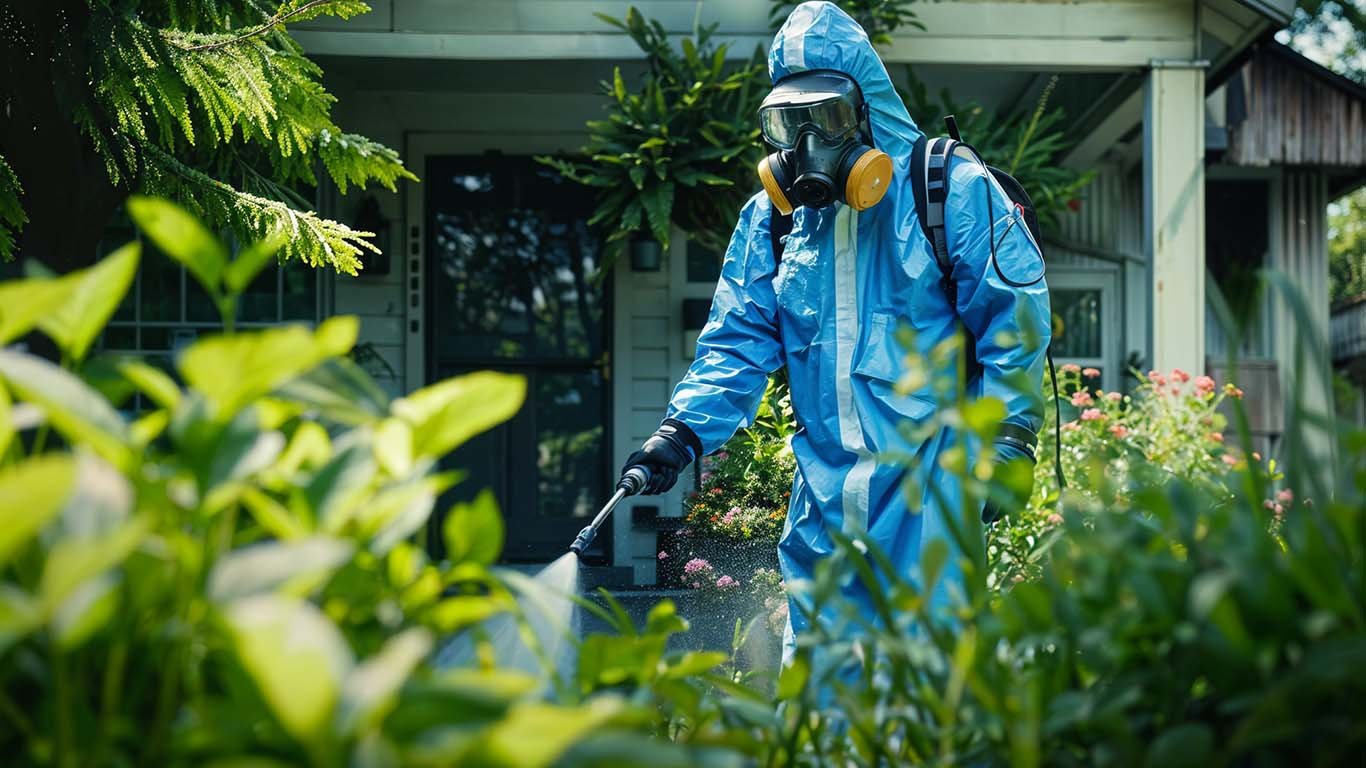 What Are the Three Types of Pest Control?
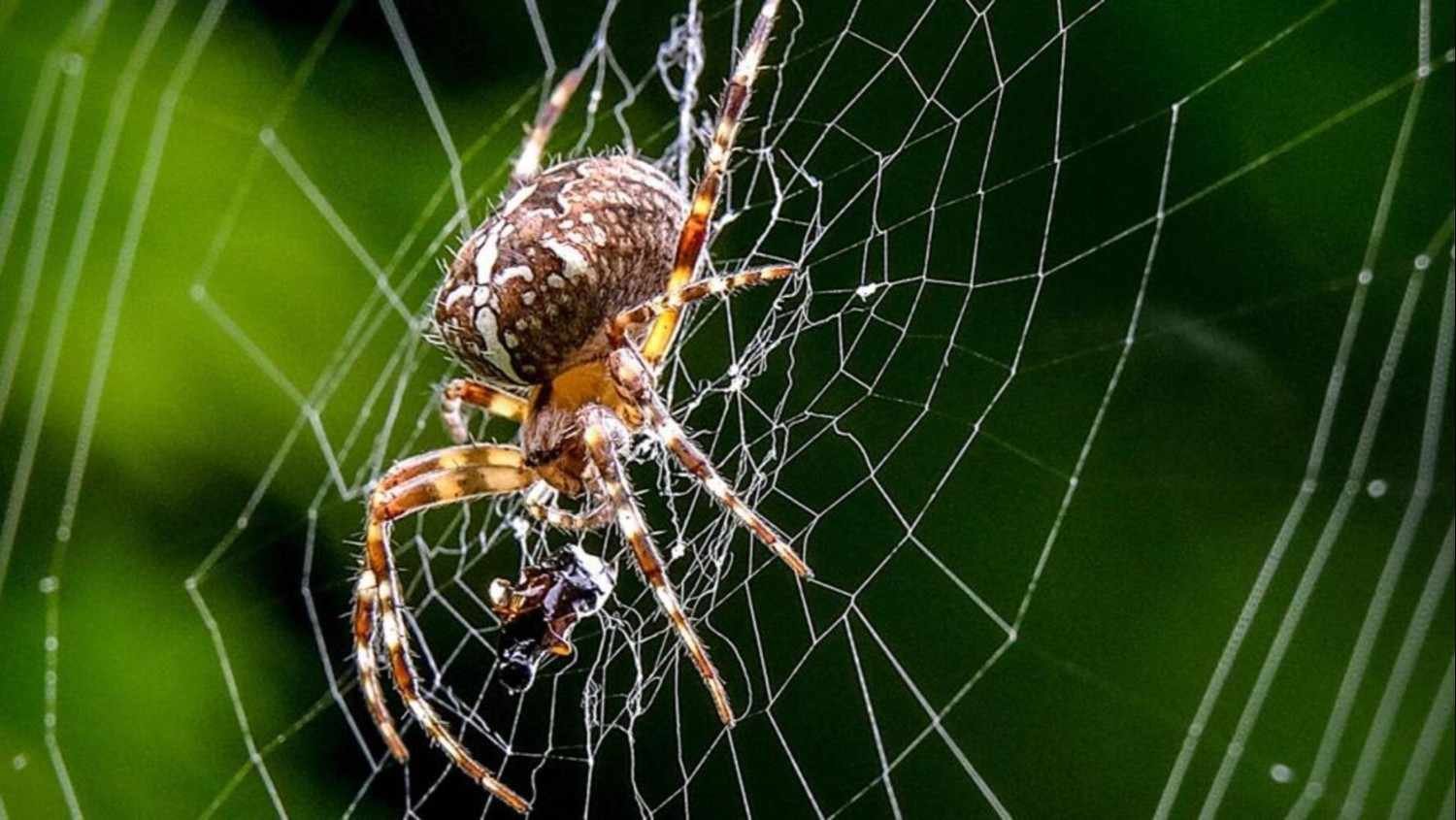 How to Remove Spiders from Home and Office – Expert Pest Control Tips
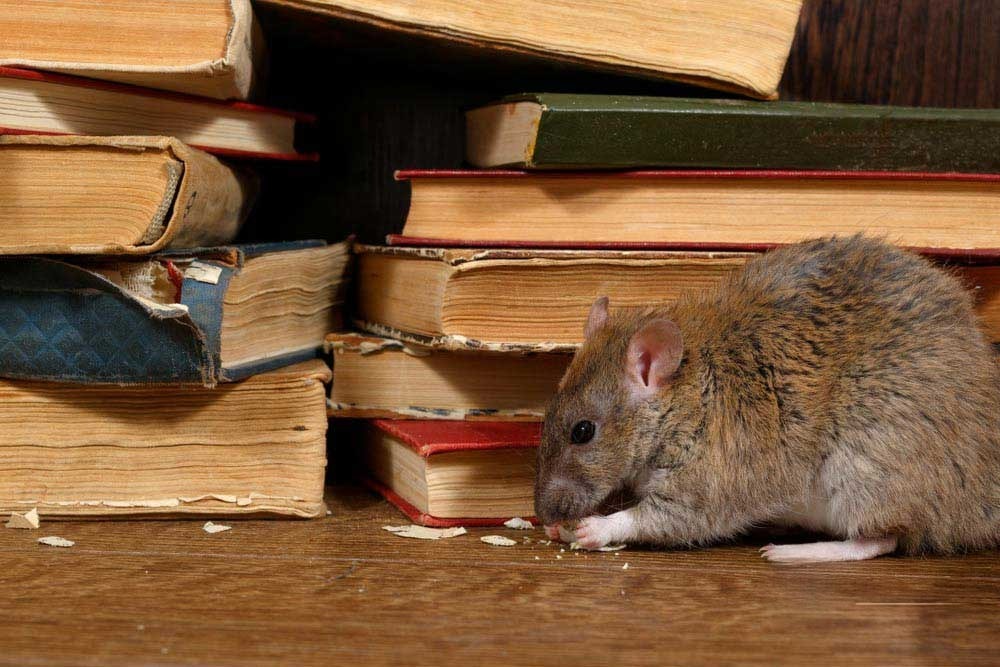 How Do Professionals Get Rid of Rodents?
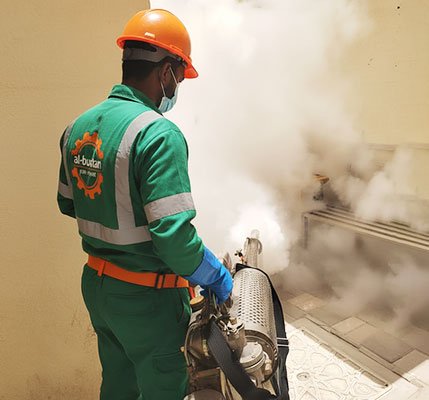 Which Pest Control Method Is Best?
 How to Remove Lizards from Home: Tips, Home Remedies, and Professional Solutions